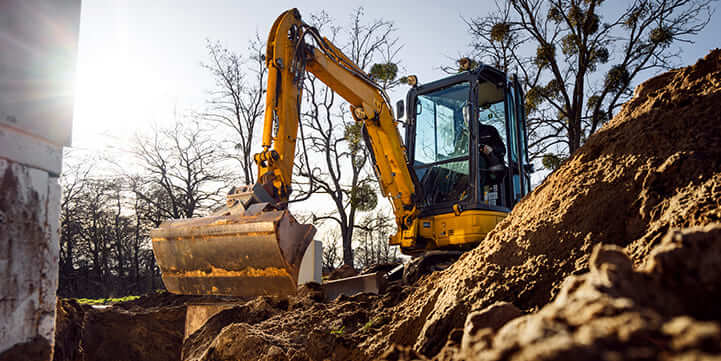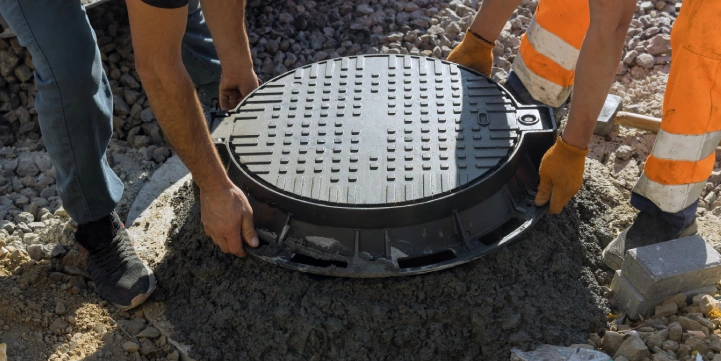

Embarking on a construction project is both exciting and daunting. Whether you’re planning to build your dream home or develop a commercial space, understanding the groundwork—literally and figuratively—is crucial. Proper site preparation sets the stage for a successful build, ensuring safety, stability, and longevity. Let’s walk through the essential steps of site preparation before excavation begins, so you know exactly what to expect.
1. Comprehensive Site Assessment
Before any physical work starts, a thorough site assessment is paramount. This involves evaluating the land to identify potential challenges and opportunities. Key aspects include:
- Topography and Soil Composition: Understanding the lay of the land and the type of soil present helps in planning the excavation and foundation. Different soil types have varying load-bearing capacities, which influence construction decisions.
- Existing Structures and Vegetation: Identifying what currently exists on the site, such as buildings, trees, or underground utilities, determines what needs removal or protection during construction.
- Environmental Considerations: Assessing drainage patterns, water tables, and potential environmental hazards ensures that the construction won’t adversely affect the surroundings or be affected by them.
This assessment provides a roadmap for the project, highlighting areas that may require special attention or modification.
2. Obtaining Necessary Permits and Approvals
Navigating the regulatory landscape is a critical step. Depending on your location and the nature of your project, various permits and approvals may be required before excavation can commence. These can include:
- Zoning Permits: Ensuring the land is designated for your intended use.
- Building Permits: Official approval to construct structures on the site.
- Environmental Permits: Necessary if your project impacts local ecosystems, and water sources, or involves significant land alteration.
Securing these permits not only keeps the project compliant with local laws but also helps prevent costly delays or legal issues down the line.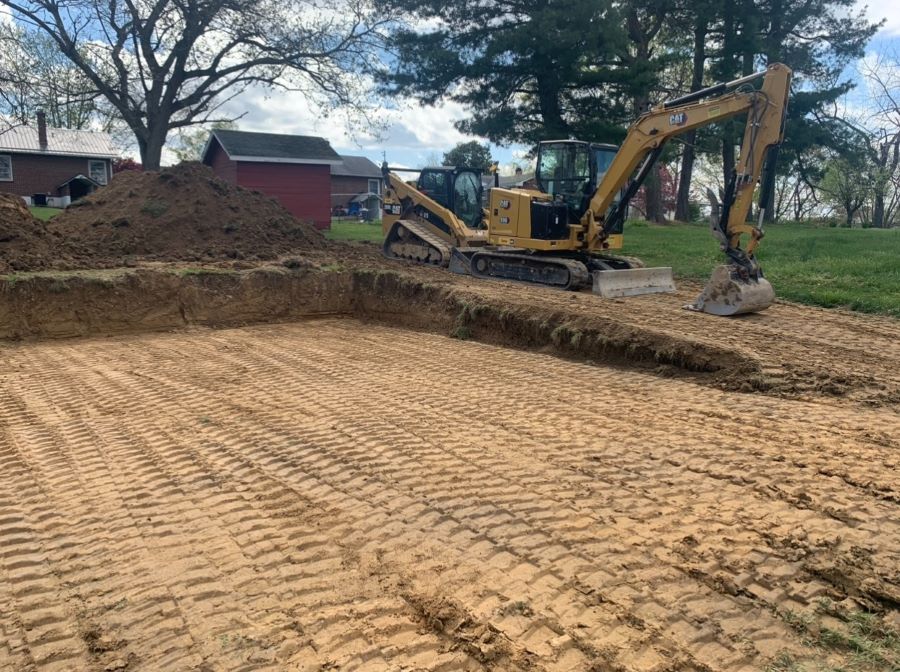
3. Site Clearing and Demolition
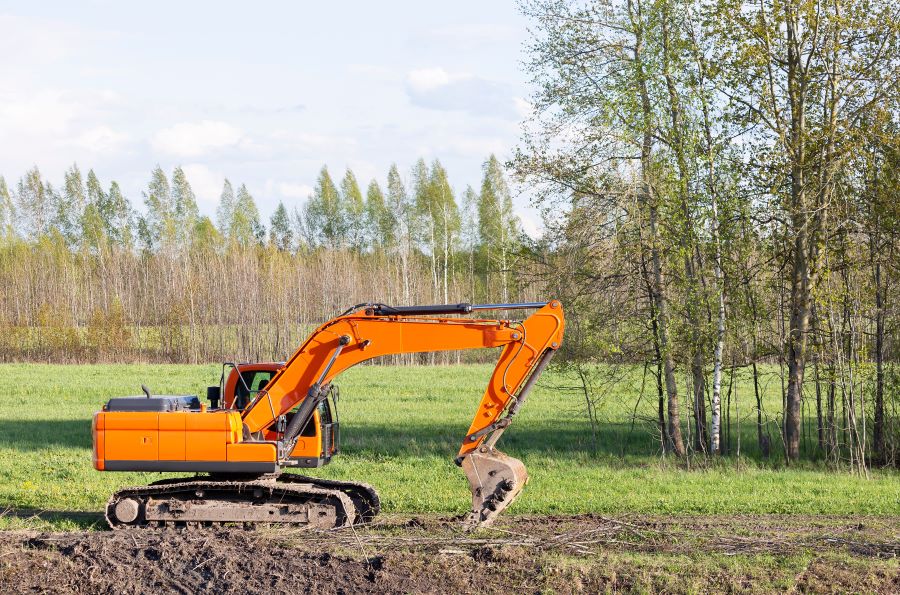
With permits in hand, the physical preparation begins. Site clearing involves removing obstacles that could impede construction, such as:
- Plants: Trees, shrubs, and other plant life are cleared to provide a blank canvas for building.
- Debris and Waste: Any trash, rubble, or unwanted materials are removed to ensure a clean and safe work environment.
- Existing Structures: Old buildings or infrastructure that don’t fit into the new site plan are demolished safely and efficiently.
This step transforms the site into a workable area, ready for the next phases of construction.
4. Detailed Site Surveying
Accurate measurements and mappings are the backbone of any successful construction project. Professional surveyors will:
- Mark Property Boundaries: Clearly defining the edges of your property prevents future disputes and ensures construction stays within legal limits.
- Identify Utility Locations: Mapping out existing water, gas, electricity, and sewage lines is crucial to avoid accidental damage during excavation.
- Determine Elevations and Slopes: Understanding the site’s elevation changes aids in planning for drainage and foundation work.
This detailed surveying ensures that the construction plans align perfectly with the realities of the land.
5. Soil Testing and Stabilization
The soil beneath your structure plays a pivotal role in its stability and durability. Conducting soil tests helps determine:
- Load-Bearing Capacity: Ensuring the soil can support the weight of the planned structures.
- Moisture Content and Drainage: Identifying potential water-related issues that could affect the foundation.
- Soil Composition: Understanding whether the soil is sandy, clayey, or loamy influences excavation methods and foundation design.
If tests reveal unstable soil conditions, measures such as soil stabilization or compaction may be necessary to prepare the site adequately.
6. Planning for Utilities and Infrastructure
Integrating essential services into your site is a key aspect of preparation. This involves:
- Designing Utility Layouts: Planning where water, electricity, gas, and sewage systems will run ensures they are efficiently and safely incorporated into the build.
- Coordinating with Service Providers: Working with local utility companies to schedule connections or relocations as needed.
- Ensuring Compliance: Making sure all utility installations meet local codes and regulations.
Proactive planning in this area prevents future disruptions and facilitates a smoother construction process.
7. Implementing Erosion and Sediment Control Measures
Protecting the site and surrounding areas from erosion is both an environmental responsibility and a regulatory requirement. Effective measures include:
- Silt Fences and Sediment Basins: These prevent soil erosion and control sediment runoff, protecting nearby water sources and properties.
- Proper Grading: Shaping the land to direct water flow away from vulnerable areas reduces erosion risks.
- Plant Stabilization: Planting grass or other ground covers can help hold soil in place.
Implementing these measures maintains site integrity and demonstrates a commitment to environmental stewardship.
8. Establishing Site Access and Security
A well-organized and secure site is essential for efficient operations and safety. Considerations include:
- Access Roads: Building temporary or permanent roads to facilitate the movement of construction vehicles and equipment.
- Fencing and Signage: Erecting barriers to prevent unauthorized access and posting clear signs to inform and protect workers and visitors.
- On-Site Facilities: Setting up areas for equipment storage, worker rest areas, and first-aid stations.
These preparations create a controlled environment conducive to productivity and safety.
Partnering with Professionals
While understanding these steps provides valuable insight, executing them requires expertise and experience. Partnering with seasoned professionals, like the team at Western Excavation, ensures that each phase of site preparation is handled with precision and care. Their comprehensive services cover all aspects of excavation and site preparation, tailored to meet the unique needs of your project.
Ready to Break Ground?
Proper site preparation is the cornerstone of any successful construction project. By meticulously planning and executing each step, you set the stage for a build that’s on time, within budget, and structurally sound. If you’re ready to embark on your construction journey, contact Western Excavation today. Our experts are here to guide you through every phase, ensuring your project starts strong and finishes successfully.
For more detailed information on site preparation and excavation services, visit Western Excavation’s Services Page.