Building a stock pond can make rural land more useful for livestock, drainage, property management, and long-term land improvement. However, a successful pond takes more than digging a basin and waiting for rain. The site needs the right soil, slope, water flow, excavation plan, and erosion control.
For property owners in Virginia, stock pond construction should begin with a clear understanding of the land. Western Excavation provides excavation, land grading, land clearing, drainage, erosion control, and related site work to support a better pond project from the start. With the right team and a clear plan, your pond can be built to work with the property rather than create new drainage or erosion concerns.
What Is a Stock Pond?
A stock pond is a man-made pond built to hold water for livestock, farm use, rural property needs, or general land improvement. It is usually built in a pasture, open field, or low area where runoff can be collected and managed. Unlike a decorative pond, a stock pond is designed mainly for function, access, and water retention.
Common stock pond uses include:
- Livestock watering
- Pasture support
- Farm and rural property management
- Drainage improvement
- Wildlife attraction
- Emergency water storage
Start With the Right Location
The first step in building a stock pond is choosing the right location. The best site depends on how water naturally moves across the property, how much drainage area is available, and whether the soil can help hold water. A poor location can lead to water loss, erosion, or drainage problems elsewhere on the land.
A good pond location should have:
- Natural runoff that can feed the pond
- Soil that can support water retention
- Enough room for equipment access
- Safe distance from wells, septic systems, and structures
- Stable surrounding ground
- A layout that does not redirect water toward problem areas
Review the Soil and Site Conditions
Before farm pond excavation begins, the site should be reviewed for soil type, slope, drainage, and existing obstacles. Clay-heavy soil is often better for pond construction because it can help seal the pond basin. Sandy, rocky, or loose soil may require additional planning to reduce water loss and the risk of slope failure.
Key site conditions include:
- Soil type
- Slope and elevation changes
- Groundwater behavior
- Existing drainage paths
- Rock, roots, stumps, and debris
- Access routes for excavation equipment
Plan the Pond Size, Shape, and Depth
Once the location is selected, the pond design can be planned around the property’s needs. The size and depth should match how the pond will be used, how much water is needed, and how much land is available. The design should also account for stable banks, safe access, and the placement of excavated soil.
The pond plan should include:
- Pond length and width
- Finished depth
- Bank slope
- Water entry points
- Overflow areas
- Equipment access
- Soil placement and final grading
Check Permit and Local Requirements
Stock pond installation in Virginia may require local review depending on the size, location, water source, and drainage impact. Requirements can vary by county, especially if the project affects wetlands, streams, stormwater flow, or protected areas. It is always better to check before excavation begins so the project does not run into delays or compliance issues.
Permit needs may depend on:
- Pond size
- Drainage changes
- Nearby wetlands or streams
- Embankments or dam-like structures
- Agricultural or residential use
- Local county requirements
Clear and Prepare the Site
Before excavating a stock pond, the area must be cleared to ensure the work can be done safely and cleanly. Trees, brush, stumps, roots, rocks, and debris may need to be removed from the pond area. Proper land clearing also helps prevent buried organic material from settling or breaking down inside the pond basin later.
Site preparation may include:
- Brush removal
- Tree and stump removal
- Rock and debris removal
- Access path preparation
- Topsoil stripping
- Pond boundary marking
Excavate and Shape the Pond
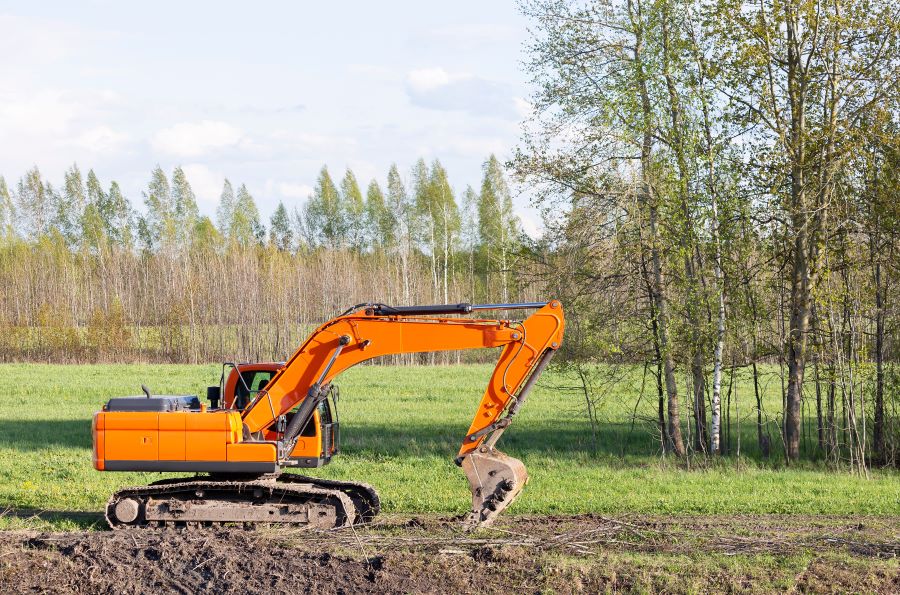
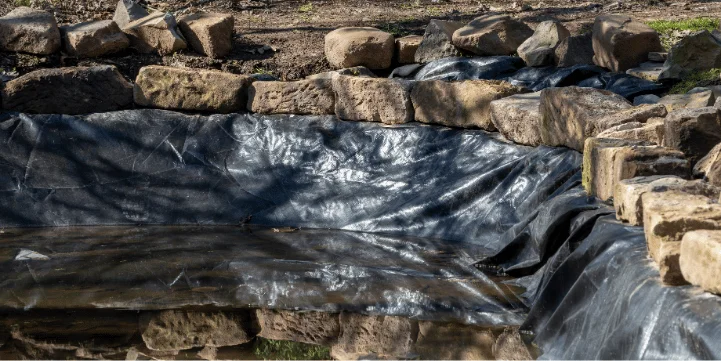
Excavating a stock pond is the main construction phase. Heavy equipment is used to dig the basin, shape the pond bottom, cut the banks, and move soil where it is needed. This work needs to be done carefully because uneven slopes, poor compaction, or weak banks can create long-term pond problems.
During excavation, the contractor may:
- Dig the pond basin
- Shape the bottom and side slopes
- Remove unsuitable material
- Relocate usable soil
- Build or shape embankments
- Prepare overflow areas
Grade the Surrounding Land
After the pond is excavated, the surrounding land needs to be graded. Proper grading helps guide runoff toward the pond while keeping water from washing out the banks. This is also important for making the area around the pond cleaner, safer, and easier to access.
Grading around a pond can help:
- Direct runoff into the pond
- Smooth disturbed soil
- Improve access around the pond
- Reduce erosion risks
- Protect nearby fields, driveways, and structures
Plan for Overflow and Erosion Control
Every pond needs a safe way to handle excess water during heavy rain. If overflow is not controlled, water can damage the pond banks, flood nearby areas, or cut erosion channels through the property. A proper drainage plan helps the pond handle wet weather without creating new problems.
Overflow and erosion control may include:
- Spillway shaping
- Drainage swales
- Controlled outlet paths
- Riprap in high-flow areas
- Grass seeding
- Erosion control blankets
Common Problems With Poor Pond Construction
Building a pond on rural property without proper planning can lead to expensive problems later. A pond may look fine at first but fail after heavy rain, dry weather, or repeated livestock use. Many issues come from poor site selection, weak grading, unstable banks, or unmanaged overflow.
Common problems include:
- Water draining out too quickly
- Eroding or collapsing banks
- Excess sediment in the pond
- Poor livestock access
- Overflow damage
- Standing water in the wrong areas
- Damage to nearby land or driveways
Work With an Experienced Excavation Contractor
A stock pond should be built around the actual conditions of the land. Western Excavation can help with the site work needed for pond construction, including land clearing, excavation, grading, drainage, and erosion control. With the right preparation, your pond is more likely to hold water properly, drain safely, and serve your property for years.
If you are planning a stock pond, farm pond, or rural excavation project, contact us today. Our team can help evaluate your site and prepare the land for a stronger, more functional pond project. We can also help ensure the surrounding grading, drainage, and erosion control work supports the pond rather than creating future issues.