If you’ve ever tried to dig a hole in your Dublin backyard and hit solid clay—or worse, found your trench full of water—you already know: not all soil is created equal. As an experienced excavating contractor in Dublin, Western Excavation has seen it all, from stubborn rocky layers to unstable, moisture-logged clay that turns a simple dig into a major headache.
In this blog, we’re breaking down the most effective excavation techniques for tricky soil types and sharing how we solve common challenges right here in Dublin, VA. Whether you’re preparing for a basement dig, utility trenching, or site prep, knowing how the soil behaves is the key to getting the job done right—and safely.
What Type of Soil Is in Dublin?
Let’s start with what’s under your feet. Dublin, VA, is part of the Appalachian Plateau and Ridge region, known for a mix of clay-heavy soils, loams, and occasional rocky patches. Here’s what we most often deal with:
- Clay soils: Dense, sticky, and poorly draining—clay holds water and becomes unstable when wet, but rock-hard when dry. This soil is the most challenging to excavate, often requiring specialized equipment and effective water management strategies.
- Silty loam: Fine particles that compact easily. Better for drainage than clay, but can shift under heavy loads. These soils are easier to work with but require proper compaction to ensure stability.
- Rocky sublayers: Especially in rural or hillside properties, where excavation often reveals shale or sedimentary rock. These layers may require drilling or breaking, which can extend project timelines.
Each soil type presents unique excavation challenges, so having a team that understands local conditions is critical. Knowing what lies beneath isn’t just smart—it’s essential for safety, efficiency, and protecting your investment.
Common Excavation Challenges in Dublin, VA
Excavating in this region isn’t one-size-fits-all. Here’s what we often encounter:
- Water intrusion: Poor drainage in clay soil means your excavation site can fill with water quickly, especially during rainy seasons. Left unchecked, this can delay your project and compromise the structural integrity of your foundation.
- Slope stability: Hillsides and uneven terrain require careful grading to prevent collapses. Excavation on sloped sites often requires additional precautions, such as terracing or erosion control barriers.
- Compaction resistance: Hard clay and rock layers increase wear on equipment and slow down progress. This means more time on site, higher fuel use, and additional labor if not planned properly.
- Limited access: Some homes have tight entry points or narrow easements, requiring specialized machinery and surgical digging techniques. Without the right approach, this can result in accidental damage to property or landscaping.
That’s why we don’t just show up with a backhoe and start digging. Our approach is built on strategy, safety, and the right tools for each condition. We treat each project like it’s our own—careful planning upfront saves time, money, and headaches down the line.
Excavation Techniques We Use to Tackle Tough Soil
1. Soil Testing & Site Evaluation
Every job starts with assessing what lies beneath. We perform soil borings, density checks, and drainage analysis before we dig. This helps us:
- Determine water table levels
- Identify compaction resistance
- Plan equipment and shoring needs
Knowing this up front prevents mid-project surprises and protects your budget. It also allows us to advise you on cost-saving adjustments or timing considerations based on seasonal soil behavior.
2. Benching and Shoring
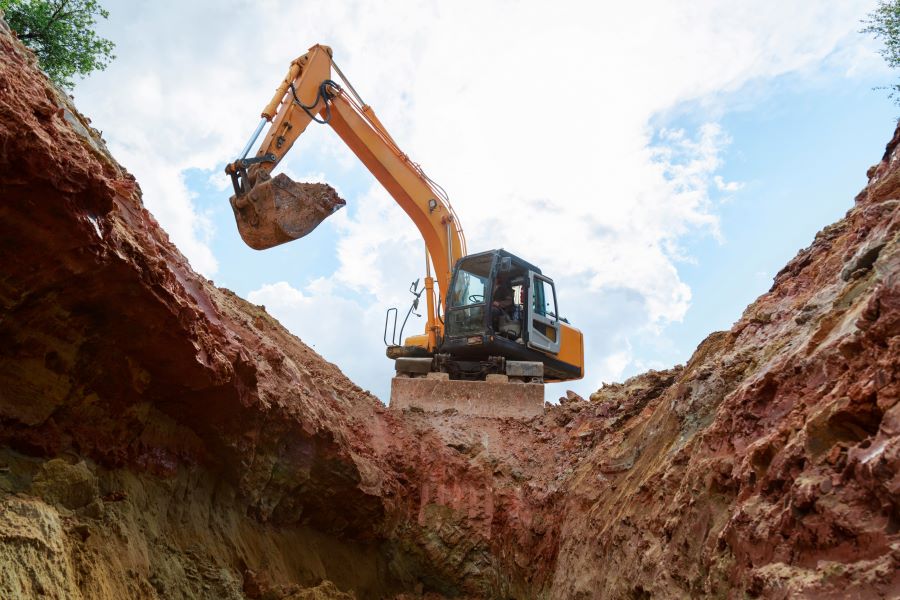
In deep or unstable digs, such as basement excavation, we use benching (cutting steps into the soil) or shoring (bracing the walls) to prevent cave-ins. This technique is crucial for working safely in wet or sandy areas.
Benching provides support in gradually sloped digs, while shoring reinforces vertical walls. We determine which to use based on the soil type, project depth, and nearby structures. Both methods ensure compliance with safety regulations and help protect workers and your property.
3. Grading and Slope Management
For sites with elevation changes or clay-rich soils, proper grading helps redirect runoff and minimize water pooling. We often install temporary drainage during the excavation phase to keep the work zone dry.
Slope correction isn’t just about leveling—it’s about creating a work environment that won’t collapse or flood. We use grading to establish stable platforms, manage runoff efficiently, and reduce post-excavation issues.
4. Rock Hammering and Drilling
When we hit rocky soil or shale, we use hydraulic breakers or drilling rigs to fracture the rock into manageable pieces. This protects nearby structures and utilities from vibration damage.
Precision is key when working near underground lines or existing buildings. Our team uses controlled techniques to safely break rock without creating structural shifts. We also clear debris quickly to maintain the workflow.
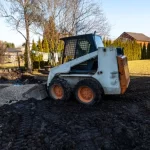
5. Trenching with Compact Equipment
In tight-access zones, especially near homes or fences, we use mini-excavators or trenchers. These give us surgical precision and reduce the risk of property damage.
Compact machines allow us to maneuver in narrow driveways or tight backyards without disturbing landscaping or hardscape. They also minimize the impact on lawns and gardens, which is ideal for residential projects.
6. Pump-Assisted Dewatering
For waterlogged sites, we deploy dewatering pumps to remove excess water and stabilize the dig. This is especially important for foundation work and utility trenches in areas with a high clay content.
We typically set up temporary sump basins to collect water and pump it out continuously during the excavation process. This keeps the soil firm and manageable while protecting structural elements from shifting or settling.

Why Hire a Local Excavating Contractor in Dublin?
Working with a local team like Western Excavation means you get:
- Local soil knowledge that national franchises often miss
- Right-size equipment for tricky access or terrain
- Responsive communication and fast response times
- A team that lives here—we care about doing it right the first time
We’ve handled excavation projects all over Dublin and Pulaski County, and we’re always up-front about what your project needs—and what it doesn’t. Choosing a contractor who knows the neighborhood, weather patterns, and local code ensures fewer delays and better long-term results.
Call Western Excavation Before You Dig
If you’ve got a project that involves digging in Dublin’s challenging soil, don’t go it alone. Let our team assess the site, explain the options, and make the process easy. We offer basement excavation, trenching, grading, and other site prep services with the precision and care your property deserves.
Reach out today to schedule your consultation and remove the guesswork from excavation.