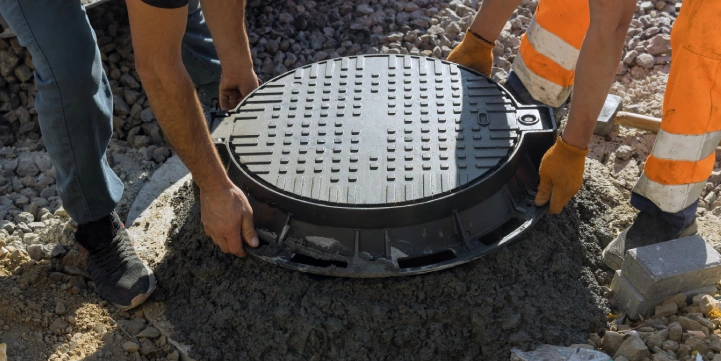
A septic system installation timeline includes more than placing a tank in the ground. Before excavation begins, the property needs to be evaluated, the system must be planned and permitted, and the site may need clearing, grading, or access improvements. Western Excavation handles septic system installation along with related excavation and site-preparation services, helping homeowners move from planning through final backfilling with one coordinated team.
How Long Does Septic Installation Take?
Most septic system installations take several weeks from the first site evaluation through final approval. The on-site installation phase is often completed within a few days to one week, though permitting, soil testing, weather, and property conditions can affect the overall schedule. Western Excavation’s septic installation process includes site evaluation, design and planning, permitting, excavation, installation, testing, backfilling, and final inspection.
| Installation Phase | Typical Timeframe | Western Excavation Service Connection |
| Site Evaluation and Planning | Several days to a few weeks | Septic system installation planning and excavation assessment |
| Permitting | A few weeks or longer | Permit coordination and local compliance support |
| Property Preparation | A few days to one week | Land clearing, brush hogging, driveway access, and land grading when needed |
| Excavation and Installation | A few days to one week | Septic excavation, tank placement, drain field work, and pipe installation |
| Backfilling and Final Review | One to several days | Testing, careful backfilling, final grading, and inspection preparation |
Site Evaluation and Planning
The septic system installation process starts with evaluating the property and determining where the septic tank and drain field can be installed. Western Excavation reviews soil conditions, property layout, drainage, household needs, and access for equipment before designing a system that fits the site and local requirements. This phase helps avoid layout issues before excavation for the septic system begins.
The site evaluation may include:
- Soil testing for wastewater filtration
- Septic tank and drain field placement
- Property slope and drainage review
- Equipment access planning
- Distance from the home, wells, and property lines
- Household size and wastewater capacity needs
Permitting and Local Approval
Once the system is planned, permits must be approved before installation can begin. Western Excavation handles the required permitting process with local health departments to help ensure the septic system meets applicable regulations. Permit timing is often one of the biggest factors in how long septic installation takes because approval periods can vary by project and jurisdiction.
Common factors that affect permit timing include:
- Local review and inspection schedules
- Soil test results
- Septic system design requirements
- Property layout changes
- Additional documentation requests
- Seasonal demand for permit reviews
Preparing the Property for Septic Installation
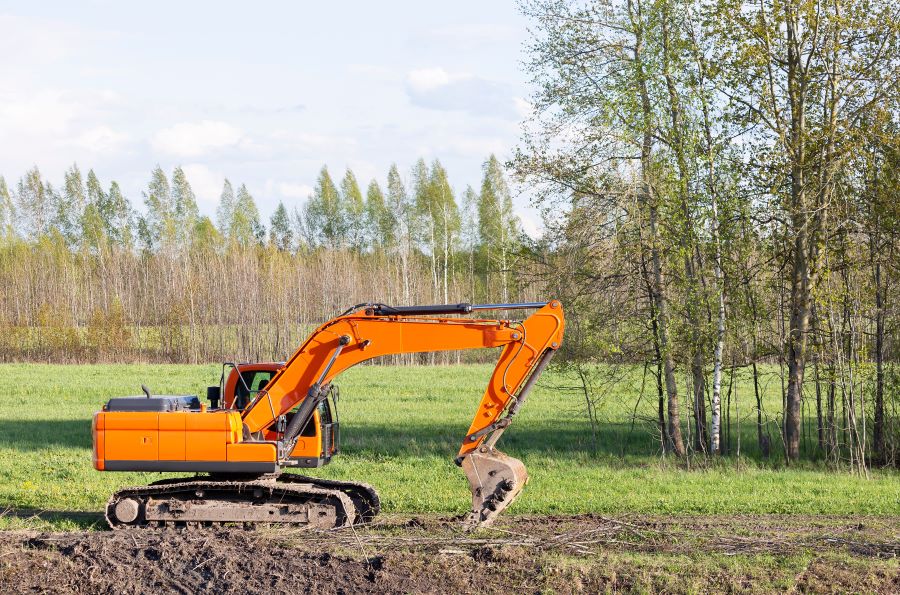
A septic system needs a properly prepared work area before the installation crew arrives. Western Excavation can coordinate excavation with land clearing, brush hogging, driveway installation, and land grading when the property needs improved access or a cleaner installation area. This helps reduce delays caused by trees, brush, uneven ground, or limited room for equipment and material deliveries.
Site preparation may include:
- Clearing brush or small trees from the work area
- Removing stumps or obstacles
- Improving access for excavation equipment
- Installing or improving a construction driveway
- Grading uneven ground around the installation area
- Marking utilities before digging begins
Excavation for the Septic System
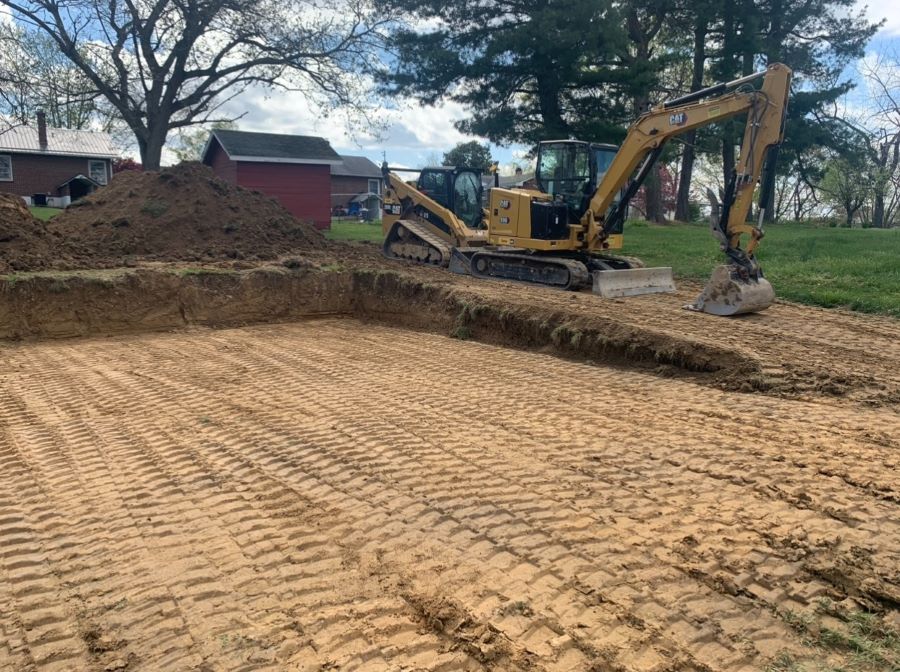
Excavation for the septic system includes digging for the tank, preparing the drain field area, and creating trenches for the required piping. Western Excavation performs this work with attention to the approved layout, proper depth, and drainage requirements, ensuring the septic components are installed correctly. Rocky soil, saturated ground, steep grades, and tight access can all affect how long this phase takes.
Conditions that may affect the excavation timeline include:
- Rocky soil or shallow bedrock
- Wet or saturated ground
- Steep or uneven terrain
- Narrow driveways or limited equipment access
- Existing utilities or buried obstacles
- Additional grading needed around the work area
Septic Tank and Drain Field Installation
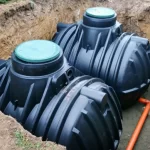
After the excavation is complete, the septic tank is placed, leveled, and connected to the home’s wastewater line. The drain field piping is installed in the prepared area so wastewater can move from the tank into the soil treatment area. Western Excavation’s installation process includes the tank, leach field piping, testing, and careful backfilling to support reliable long-term performance.
The septic tank installation process generally includes:
- Setting and leveling the septic tank
- Connecting inlet and outlet pipes
- Installing leach field piping
- Preparing the drain field area
- Testing for drainage and proper operation
- Protecting system components during backfilling
Backfilling, Grading, and Final Inspection
Once the system is installed and tested, the excavation area is backfilled carefully to avoid damaging the tank, pipes, or drain field components. Western Excavation can also complete final grading around the work area to help restore the property and support proper drainage after installation. A final inspection confirms that the septic system meets local requirements before it is placed into use.
The final phase may include:
- Testing the system for proper drainage
- Confirming tank and leach field placement
- Backfilling excavated areas carefully
- Final land grading around the installation site
- Erosion control where needed
- Preparing for the required final inspection
What Can Delay a Septic System Installation?
The septic system installation timeline may change if site conditions or approvals require additional work. Planning early allows time for permit reviews, site preparation, and any related excavation needs before construction schedules become tight. An experienced excavation contractor can identify many of these concerns during the initial property evaluation.
Common causes of delays include:
- Permit approval or inspection schedules
- Heavy rain, frozen soil, or saturated ground
- Rocky soil or difficult excavation conditions
- Clearing or grading needed before installation
- Limited equipment access
- Driveway or site-access improvements
- Utility conflicts or buried obstacles
- Design adjustments after soil testing
Plan Your Septic Installation With Western Excavation
Western Excavation provides septic system installation for homeowners who need a properly planned, compliant, and efficiently excavated system. We also provide land clearing, driveway installation, grading, erosion control, drainage work, and other excavation services as needed to prepare the property for installation. Working with a single team for the septic system and surrounding site work can make your project easier to coordinate from the initial evaluation through final backfilling.
Contact us today to discuss your septic system installation timeline and any excavation or site preparation services your property may need.