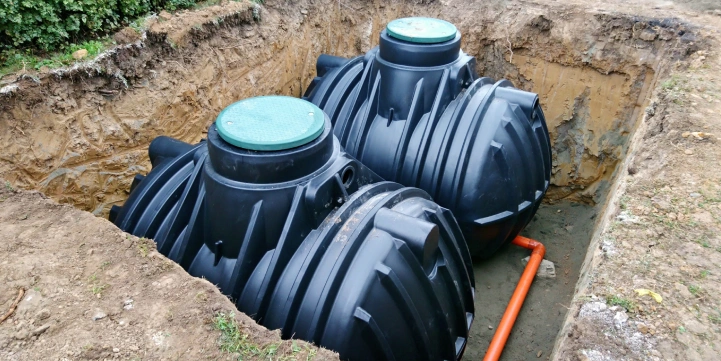
If you are asking, “Do I need a permit for septic installation?” the answer in Virginia is yes. A septic system cannot be installed without approval from the proper health department. These permit requirements help protect groundwater, soil conditions, nearby wells, and the system’s long-term function.
For homeowners planning a new build, a rural property project, or a septic replacement, the permit process should be completed before excavation begins. The Virginia Department of Health oversees onsite sewage systems, while local health districts or county offices may have their own steps. Western Excavation can help you prepare for the site work that follows approval, including excavation, grading, drainage, and support for septic installation.
Why Septic Permits Matter Before Excavation Starts
Septic systems handle wastewater underground, so the location, soil, drainage, and design all matter. A permit helps confirm that the system is suitable for the property before the tank area, trenches, or drainfield are dug. Having the right plan in place also helps homeowners avoid unnecessary rework, delays, and site issues once excavation begins.
A septic permit helps review:
- Soil conditions
- Drainfield placement
- Septic tank location
- Distance from wells and property lines
- Drainage patterns
- System size and design
- Site access for excavation equipment
When You Need A Septic Permit
Most major septic work in Virginia requires a permit or formal approval. This includes new systems, replacement systems, major repairs, and certain changes to existing systems. If the work affects how wastewater is handled or where it goes, it is best to get the site reviewed before excavation starts.
You may need a septic permit for:
- Building a new home without public sewer access
- Installing a new septic tank and drainfield
- Replacing a failing septic system
- Repairing or modifying an existing septic system
- Adding bedrooms or increasing wastewater use
- Installing an alternative septic system
- Relocating part of an existing system
If you already have a septic system, a professional review can help you avoid surprises before starting an addition, renovation, or new build. A larger home may need more wastewater capacity, which can affect the tank size, drainfield layout, and excavation plan. Western Excavation can help prepare the site properly once the approved system plan is ready.
How The Septic Permit Process Connects To Site Work
In Virginia, septic permit approval is usually handled by the Virginia Department of Health and the local health district associated with the property. The state sets the overall framework, but county offices may have specific forms, review steps, fees, and inspection requirements. Since septic installation county requirements can vary by location, it helps to understand the process before scheduling excavation work.
The process usually includes:
- Reviewing the property and proposed home use
- Completing a soil evaluation
- Preparing a septic system design
- Creating or submitting a site plan
- Reviewing setbacks, slopes, wells, and property lines
- Receiving permit approval
- Excavating according to the approved plan
- Scheduling inspection before the system is covered
This process gives homeowners, designers, inspectors, and excavation crews a clear plan before the digging starts. It helps reduce the risk of placing the tank too close to a well, disturbing the approved drainfield area, or grading the site in a way that creates runoff problems. For Western Excavation, that approved plan helps guide the access route, tank excavation, trenching, backfilling, grading, and cleanup.
Site Conditions That Can Affect Septic Installation
Some septic projects are straightforward, while others require more planning due to property conditions. Sloped land, poor drainage, rocky soil, wooded areas, and limited access can all affect how the septic system is installed. Working with an experienced excavation team can make it easier to plan around these site challenges before installation begins.
Common site issues include:
- Steep slopes near the proposed system
- Drainage problems or standing water
- Rocky or hard soil conditions
- Heavy brush, trees, or stumps in the work area
- Limited access for excavation equipment
- Erosion concerns after digging
- Nearby driveways, foundations, or utility areas
- Drainfield areas that must stay protected
This is where professional site preparation can make a big difference. A septic installation may also require clearing access, shaping the land, managing drainage, or stabilizing soil around the work area. Western Excavation provides related services such as land grading, erosion control, drainage work, land clearing, and support for sewer and water infrastructure to help prepare the property properly.
Can You Install A Septic System Yourself?
Septic installation is not a basic DIY project in Virginia. Even when a homeowner is involved in the application process, the system must still meet state and county requirements. The work must follow the approved permit, system design, and inspection process.
Septic installation involves:
- Tank excavation
- Pipe slope
- Trench depth
- Drainfield layout
- Soil absorption
- Backfilling
- Site grading
- Inspection timing
Mistakes can lead to system failure, sewage backup, standing water, or expensive rework. Bringing in experienced excavation and septic installation professionals helps make sure the physical work matches the approved plan. It also gives homeowners more confidence that the system and surrounding property are being handled correctly from the start.
How Western Excavation Helps With Septic Installation
Western Excavation provides septic system installation and excavation services for homeowners in Virginia. Our team focuses on the site work needed to install the system correctly after the proper approvals are in place. That includes digging, grading, access preparation, and careful work around the approved layout.
Our septic-related work may include:
- Site preparation for septic installation
- Excavation for septic tanks
- Trenching for approved drainfield layouts
- Soil handling and grading
- Access preparation for equipment
- Drainage support around the work area
- Erosion control considerations
- Backfilling after inspection
- Final grading and cleanup
A good septic installation starts with an approved plan and continues with precise excavation. The tank, trenching, and drainfield areas must be handled carefully to protect the system. Western Excavation helps homeowners complete the physical installation work with the right equipment, planning, and experience.
Ready to Move Forward With Your Septic Installation?
So, do you need a permit for septic installation in Virginia? Yes, and it should be one of the first things homeowners address before scheduling excavation. The permit confirms that the system is designed for the property, the soil, and the expected wastewater use.
Before installation, homeowners should check with the local health department, work with properly licensed professionals, and make sure the approved design is ready. Once the septic permit and layout are in place, Western Excavation can handle the excavation, grading, drainage, and site work required for installation. Contact us today to discuss septic system installation for your property in Virginia.